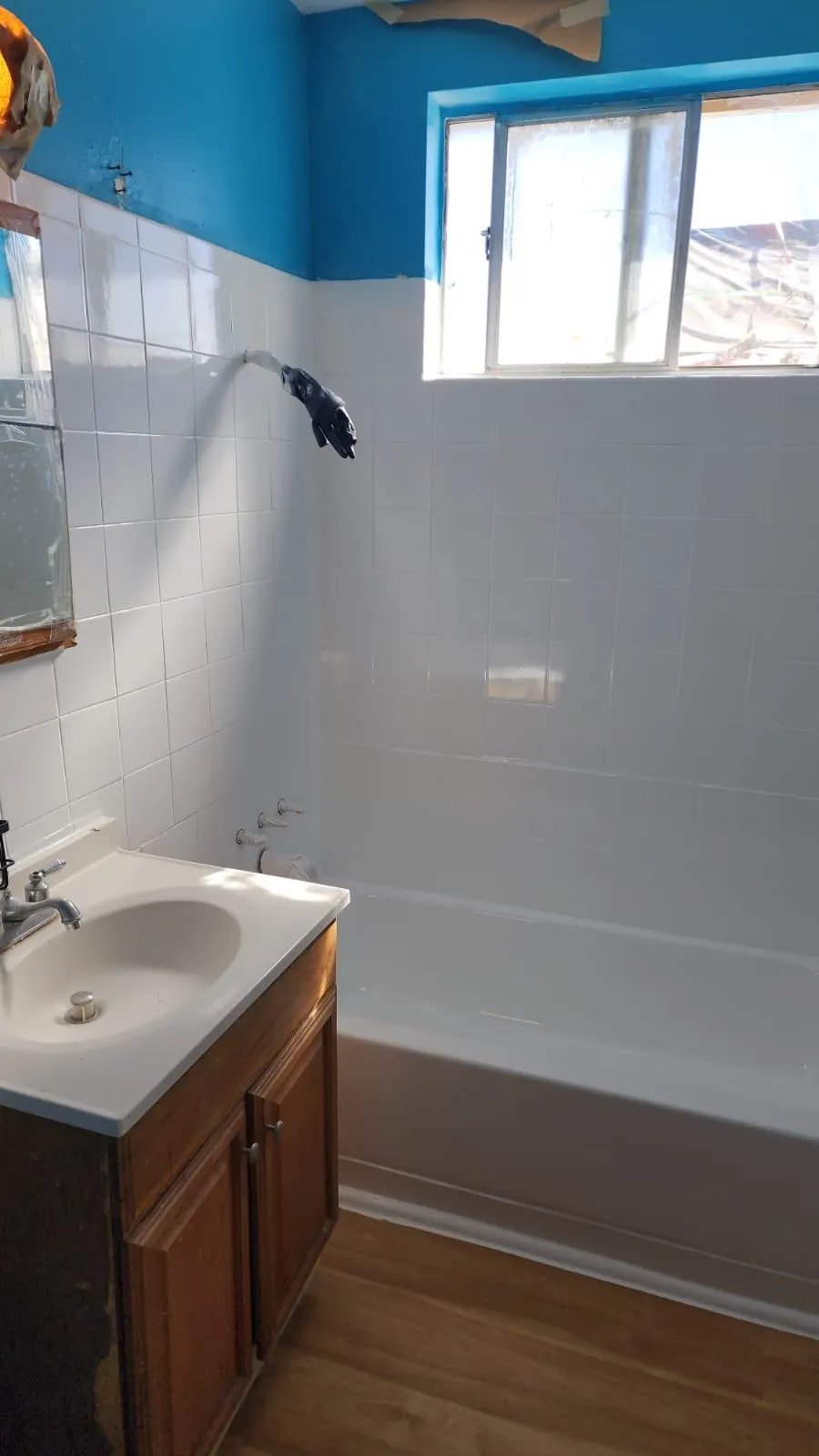
Choosing the Right Bathtub Materials
When it comes to renovating your bathroom, selecting the right bathtub material is crucial for both functionality and aesthetics. The right material can enhance your bathing experience while adding value to your home. In this guide, we’ll explore the various bathtub materials available, their durability, and how they can affect the overall look of your bathroom.
Understanding Bathtub Materials
Bathtubs can be made from a variety of materials, each offering unique benefits and drawbacks. Here’s a closer look at some of the most common bathtub materials:
- Acrylic
- Cast Iron
- Fiberglass
- Porcelain-Enameled Steel
- Stone Resin
- Composite
1. Acrylic Bathtubs
Acrylic bathtubs are lightweight and available in a wide range of colors and shapes. They are known for their ease of installation and maintenance. Additionally, acrylic's smooth surface resists stains and scratches, making it a popular choice for households.
2. Cast Iron Bathtubs
Cast iron bathtubs are highly durable and can last for decades. They are coated with enamel for a glossy finish, which enhances their aesthetic appeal. While heavier and more challenging to install, their heat retention properties provide a luxurious bathing experience.
3. Fiberglass Bathtubs
Fiberglass bathtubs are another lightweight option, often more affordable than acrylic or cast iron. They are easy to mold into various shapes, but they can be prone to scratching and fading over time. Regular maintenance is required to keep them looking new.
4. Porcelain-Enameled Steel Bathtubs
These bathtubs offer a solid, durable surface with a glossy finish. They are generally more affordable but can chip or rust if not cared for properly. Their weight can also make installation more labor-intensive.
5. Stone Resin Bathtubs
Stone resin bathtubs provide a unique aesthetic appeal with their natural stone-like appearance. They are highly durable and retain heat well, making them a luxurious option. However, they typically come at a higher price point.
6. Composite Bathtubs
Composite materials often blend various materials, resulting in a durable and lightweight bathtub. They can mimic the appearance of stone or tile, offering versatility in design without the associated weight.
Durability vs. Aesthetics
When choosing a bathtub, consider how durability aligns with your aesthetic preferences. For instance, if you prioritize longevity, cast iron or stone resin may be the best choice. On the other hand, if you seek variety in design, acrylic or fiberglass could be more suitable.
Factors to Consider
- Installation complexity
- Weight and support requirements
- Maintenance needs
- Heat retention properties
- Color and design options
- Price range
Each material offers unique features that can influence your decision based on your specific needs and preferences.
How Bathtub Reglazing Can Enhance Your Choice
If you've selected a material that requires maintenance or shows signs of wear and tear, bathtub reglazing services from Bathtub Reglazing Pro can revitalize your tub without the need for a complete replacement. Our professional reglazing can extend the life of your bathtub, restore its original shine, and enhance its durability.
Conclusion
Choosing the right bathtub material is essential in achieving both functionality and aesthetic appeal in your bathroom. By understanding the characteristics of each type, you can make an informed decision that suits your needs. For expert assistance in bathtub reglazing and other related services, Bathtub Reglazing Pro is here to help you enhance your bathroom experience.